Fire damage restoration in Oakland
Fire damage restoration in Oakland is mostly not about the burnt room. It is about the smoke that reached the rest of the house, the contents, and the water used to put it out.
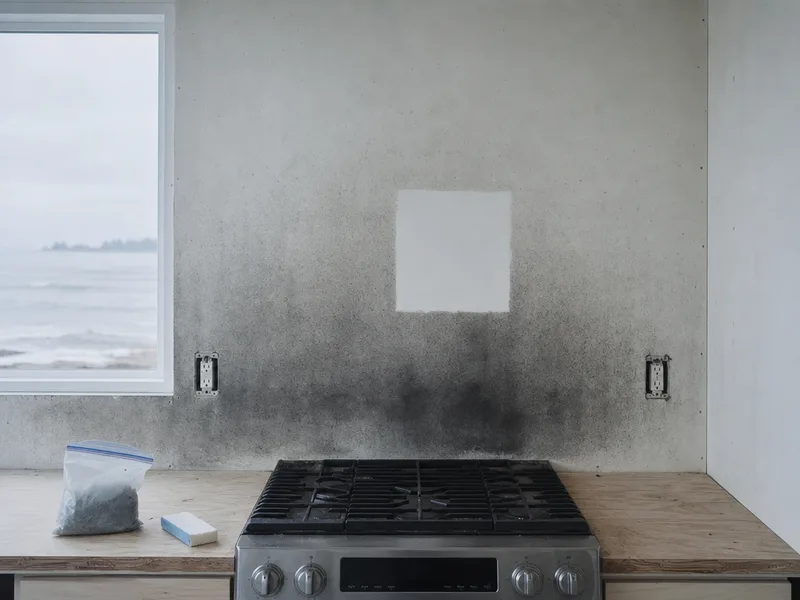
Fire damage restoration in an Oakland house
The burnt room is rarely the expensive part. Smoke moves through a house along the same paths air does, so a fire contained to one kitchen leaves residue in bedrooms two floors up, inside closets, on the underside of shelves and through the heating and ventilation runs. That is the work most fire damage restoration jobs actually consist of, and it is why the estimate usually covers rooms the fire never entered.
There is also a running order that is not obvious from inside it. The fire service releases the building. The insurer gets told. Temporary repairs go on, so that an open roof or a broken window does not add a second loss on the first wet night. Only then does anybody start cleaning, and permanent repairs wait until an adjuster has seen the damage. The California Department of Insurance is direct about that last part: do not make extensive permanent repairs before the adjuster has been.
Smoke damage restoration is the larger half of most jobs
Soot is not dust. It is an oily, acidic residue that keeps working on whatever it settles on, which is why the timing matters more here than in almost any other kind of restoration. Left alone it etches metal, discolors plastics and grout, and drives further into porous surfaces. The order is normally dry cleaning of the residue first, then wet cleaning, then sealing where the residue has stained through, then paint.
Two things reliably surprise people. The first is that a wall which looks clean can still smell, because the residue is in the paint film rather than on it. The second is that running the heating before the ducts have been dealt with redistributes everything you just cleaned.
Odor removal, and why it comes back
Smell is the last thing to go and the first thing to return. It comes back when the source was cleaned but the reservoir was not: inside a wall cavity, in insulation, under a floor, in a mattress or a sofa nobody wanted to write off. Deodorizing equipment masks or neutralizes what is in the air. It does not reach into material that is still holding residue, so odor removal is really a search problem, and a room that keeps smelling after treatment is telling you something was missed rather than that the treatment failed.
Contents restoration: what leaves the house and what stays
Most fire jobs split the contents three ways. Hard, non-porous items generally clean on site. Textiles, soft furnishings, clothing and papers often go off site for specialist cleaning and come back later, which is where an inventory earns its keep. The third group is the write-offs.
Photograph everything before it moves. The state's claims guidance asks for lists with brand names and model numbers, and warns against throwing damaged items out before the adjuster says so. That advice is easy to read and easy to ignore in the first two days, and it is the one thing people consistently regret.
The Oakland part of this
Two local details change fire jobs here. The hills, from Montclair up through the ridge, are wildland-urban interface: houses on narrow winding streets, often on a slope, with heavy tree cover and a hard access route for anything larger than a van. That affects staging and equipment more than it affects the cleaning method, but it shows up in scheduling.
The flats are the opposite problem. Older wood framed housing in Temescal, Fruitvale and around Lake Merritt is built close together, so smoke and water frequently cross into a neighboring unit or the flat below, and two insurers end up looking at one incident. In a duplex or a converted house, the question of whose policy pays for the shared wall tends to arrive on day two.
What this page does not cover
Water extraction and drying, including the water the fire department used, live on the water damage restoration page rather than here. Growth that appears in the weeks afterwards is mold remediation. And before you agree work with anybody who knocks on the door in the days after a fire, the Contractors State License Board publishes a free License Check tool that returns whether a license number is current and who holds it. Fires attract door knockers, and that lookup takes two minutes.
What the fire administration and the state insurance department publish
Each row was read on the publisher's own page on the date shown. None of it is our own measurement, and none of it is advice about your particular policy.
| Source | What it says | Read |
|---|---|---|
| US Fire Administration | Publishes a free booklet, After the Fire, Returning to Normal, covering the first 24 hours, insurance considerations, valuing property, replacing documents and salvage hints. | 2026-08-31 |
| California Department of Insurance | One of the most important things to do after a property loss is to make temporary repairs to prevent further damage. | 2026-08-31 |
| California Department of Insurance | Beware of building contractors that encourage you to spend a lot of money on temporary repairs. | 2026-08-31 |
| California Department of Insurance | If your property is not safe for occupancy, extra costs such as shelter, clothing and food may be covered under the loss-of-use part of the policy, and the insurer usually advances money for them. | 2026-08-31 |
| California Department of Insurance | Do not make extensive permanent repairs until the claims adjuster has been to your home and assessed the damage. | 2026-08-31 |
Questions people ask in the first week after a fire
-
Is smoke damage fixable?
Usually, and the honest caveat is that "fixed" means different things for different materials. Sealed hard surfaces clean up well. Painted walls often need sealing before they can be repainted, because soot residue bleeds through ordinary paint. Soft furnishings, mattresses and anything porous that held smoke for days are the items most likely to be written off rather than cleaned. The variable is not really the fire. It is how long the residue sat before anybody started.
-
What should I do first after a house fire?
Nothing until the fire service has released the building. After that, the California Department of Insurance puts temporary repairs at the top of its own list: covering damage in a roof, walls, doors and windows so weather and animals do not add to the loss. Keep the receipts, because the state's guidance is that reasonable costs of protecting the property are reimbursed. The federal fire administration's free booklet, After the Fire, covers the same first 24 hours in more detail than any contractor will.
-
What happens to the water the fire department used?
It goes into the floor below and stays there. A kitchen fire on an upper floor routinely produces a soaked ceiling in the room underneath, and that half of the job is water damage restoration rather than fire work. It matters more than it sounds, because a structure that is still wet two weeks later grows things, and mold remediation on top of a fire claim is a much worse week than drying it properly on the first pass.
-
Can I stay in the house during the work?
That is the fire service's call first and the adjuster's second, and it depends on smoke spread and on whether power, water and heating are usable. If the answer is no, the state's guidance is that shelter, clothing and food may fall under the loss-of-use part of a homeowner policy, and that insurers usually advance money for those costs. Keep every receipt from the first night onwards, including the ones that feel too small to bother with.
-
Does insurance cover fire and smoke damage?
Fire is a named peril on an ordinary homeowner policy, so the usual argument is about scope rather than about whether it is covered at all: which rooms count as smoke affected, which contents are repairable, whether the water damage below the fire is part of the same loss. How a California water claim is framed goes through the mechanics of proof of loss, replacement cost and actual cash value, all of which apply here too.
-
How much does smoke damage restoration cost?
It is set by how far the smoke traveled rather than by how much burned, which is why a small kitchen fire can cost more to put right than people expect. The drivers are the number of rooms carrying residue, whether the heating and ventilation system pulled it around the house, how much of the contents needs cleaning off site, and whether walls need sealing before paint. Nobody publishes an Oakland figure for smoke work and this site will not invent one, so the pricing page is where the published ranges sit instead.
Send the details when you are ready
There is no hurry on this form and nothing here needs a decision today. When you want a restoration contractor in Oakland to see the job, write down what happened and send it.