What to do after water damage, in the order it actually matters
The first two days decide most of what a water loss ends up costing. Not because of how fast anyone arrives, but because of what happens to wet material while it sits.
Published
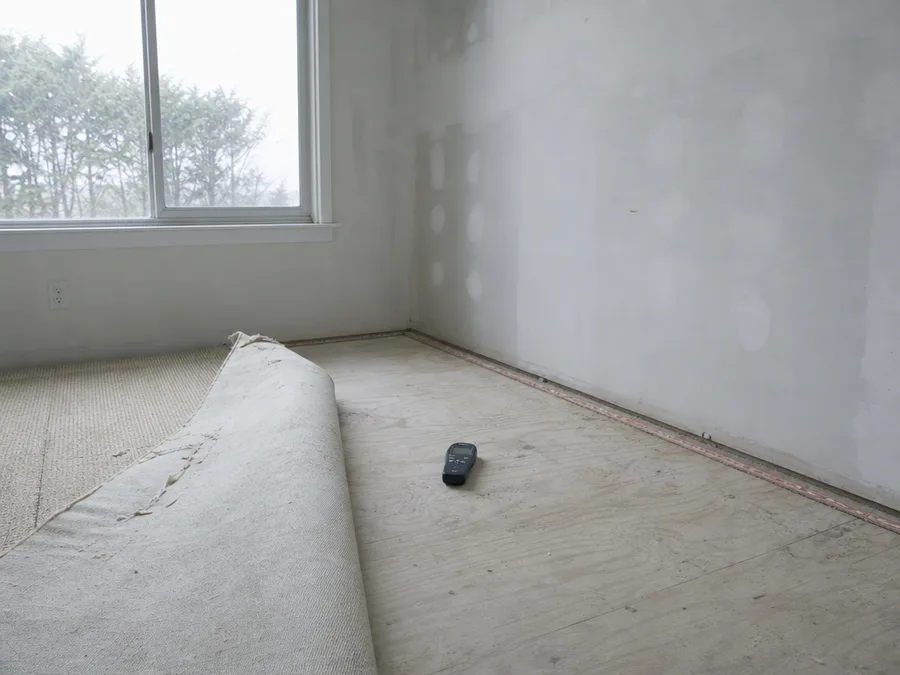
The clock is a drying clock, not an arrival clock
Almost everything written about the first hours after a water loss is really about how quickly somebody turns up. That is the wrong clock. The one that decides the size of the job is the length of time material spends wet, and it runs whether or not anybody is in the building.
Both federal sources agree on the window. The EPA's guide to mould and moisture says it is important to dry water damaged areas and items within 24 to 48 hours to prevent mould growth, and the CDC says the same thing about a flooded home in almost the same words. That is not a marketing figure. It is the practical difference between a drying job and a remediation job, and the two have very different costs.
So the useful question in hour one is not who is coming. It is: what is wet, how wet is it, and what is it made of.
Stop the water, then stop guessing
If the source is a supply line, an appliance hose or a fixture, the shut-off is the first move. Whole-house valves are usually where the main enters the building, often in a garage, a basement or a box near the street. If the source is rain, a roof detail or a drain, there is nothing to shut off and the priority moves straight to containment.
Two things are worth knowing before anyone starts pulling things apart.
Water and electricity share a building. If water has reached outlets, a panel, or anything with a cord running through it, that circuit is a hazard until somebody competent says otherwise.
Water travels. It runs along joists, down the inside of stud bays and across the top of a ceiling before it appears anywhere visible. The wet patch on the floor is where the water arrived, and it is frequently a long way from where it started. This is the single most common reason a room gets dried, looks fine, and then grows mould inside a wall two weeks later.
Record it before you move anything
This is the step people skip and later regret. Before furniture is dragged out and before anything wet goes in a skip, photograph the room from several angles, get the water line on the wall, and photograph the source if you can see it. Note the time you found it.
California's Department of Insurance publishes guidance for residential policyholders, and the consistent theme across it is that the burden of showing what happened sits with the person making the claim. A phone full of pictures taken before the cleanup is worth more than any description written afterwards. It costs two minutes and it is the only part of this list that becomes impossible later.
Our page on how a California water damage claim is usually framed goes through the coverage language in more detail, including the distinction between a sudden failure and a gradual one, which is where most disputes actually happen.
What can be saved, and what is already gone
This is where the 24 to 48 hour rule turns into decisions.
Usually recoverable: framing, subfloor, most solid timber, plaster and painted drywall that got damp rather than saturated, hard flooring with a sealed surface, most furniture with a solid frame.
Usually not: carpet pad, MDF and chipboard, insulation that has been wetted, ceiling tiles, and anything porous that sat in water for more than a day or two. The EPA is direct about why. Absorbent or porous materials such as ceiling tiles and carpet may have to be thrown away if they become mouldy, because mould grows into the spaces and crevices inside the material rather than sitting on the surface where it can be wiped off.
A separate category entirely: anything touched by water that came from a drain. The EPA's advice here is not a matter of degree. If the water or mould damage was caused by sewage or other contaminated water, it says to call in a professional with experience cleaning and fixing buildings damaged by contaminated water. That is what our page on sewage backup and category 3 cleanup covers, and it is a different scope of work rather than a dirtier version of the same one.
Getting air moving is not the same as drying
A domestic fan pointed at a wet floor moves surface water into the air of the room. Without something removing that moisture, it lands again on the coldest surface available, which is usually a wall cavity or a window reveal. Opening windows helps when the outside air is drier than the inside air and works against you when it is not, which in a coastal marine layer is a genuine coin toss.
What actually dries a structure is a combination: airflow across wet surfaces, dehumidification to take the moisture out of the room air, and enough time at both. Drying equipment is sized to the volume of wet material rather than to the size of the room, which is why two similar looking rooms can need very different setups.
The other half is measurement. A room is dry when the material reads dry, not when it feels dry. That is the whole reason a moisture meter is in the bag: the surface of a wall reaches ambient long before the inside of the stud bay behind it does.
The part nobody tells you: the second week is where it goes wrong
Most guides stop when the water is gone. In practice the expensive failures happen later, and they have a pattern.
The dry surface over the wet cavity. Everything looks finished, the floor is walkable, the smell has gone. Behind the skirting, the bottom plate is still holding water. Six to fourteen days later there is a musty smell and a stain that was not there before. This is the case a moisture reading at the start would have caught and a visual check never will.
The room that was dried but not the one next door. Water crossed under a wall through the floor assembly, and only the obvious room got equipment. The neighbouring wall is wet from the bottom up.
The material that was cleaned instead of removed. Wet insulation dried in place, wet carpet pad left down under a dried carpet, chipboard that was allowed to swell and then painted. Each of these is cheap to do at the time and expensive to undo.
Heat used as a shortcut. Turning the heating up raises the moisture-holding capacity of the air, which feels productive. Without dehumidification it moves water from the wet material into the building and deposits it somewhere cooler.
If a leak has already been running quietly for a while by the time it is found, the question stops being about drying at all. Growth follows sustained moisture, and past a certain point the scope picks up mold remediation and containment rather than fans.
What this site does
We are not the crew. This site takes the details of a loss and passes them to a restoration company working in the East Bay, which is the same arrangement described on the main water damage restoration page. Because we do not employ the people who do the work, we describe what the work involves and not who is qualified to do it, and we do not publish a time by which anybody will be at the door.
What is useful in a message is the address, what got wet, roughly when it started, and whether the water was clean, grey or from a drain. That last one changes the scope more than anything else on the list, because it decides what has to be removed rather than dried.
Where the figures on this page come from
Each row was read on the publisher own page on the date shown rather than recalled.
| Publisher | What it says | Read |
|---|---|---|
| US EPA, A Brief Guide to Mold, Moisture and Your Home | It is important to dry water-damaged areas and items within 24 to 48 hours to prevent mold growth. | 2026-08-31 |
| US CDC, mold basics | Clean up and dry out your home fully and quickly, within 24 to 48 hours, after a flood. | 2026-08-31 |
| US EPA, Mold Cleanup in Your Home | Absorbent or porous materials such as ceiling tiles and carpet may have to be thrown away if they become moldy, because mold can grow into the spaces and crevices of porous material. | 2026-08-31 |
| US EPA, Mold Cleanup in Your Home | If the water or mold damage was caused by sewage or other contaminated water, call in a professional who has experience cleaning and fixing buildings damaged by contaminated water. | 2026-08-31 |
Questions people ask in the first day
-
Is water damage reversible?
Some of it. Structural timber, framing and most hard surfaces usually recover if they are dried properly and quickly. What does not reverse is porous material that stayed wet: the EPA says absorbent items such as carpet and ceiling tiles may have to be thrown away once mold grows into them, because it fills the spaces inside the material rather than sitting on top. -
How long does it take for water damage to kick in?
Faster than most people expect. Both the EPA and the CDC put the window at 24 to 48 hours: dry the affected areas and items inside that period and you are preventing mold growth rather than dealing with it. After that the job changes from drying to remediation. -
How to tell if water damage is permanent?
By what the material is, not by how it looks. A hardwood floor that cupped may flatten as it dries; a soaked carpet pad, a piece of MDF or a wet ceiling tile generally will not recover. A moisture reading in the surrounding structure tells you whether the problem is still live, and a dry surface over a wet cavity is the case that fools people most often. -
What to do immediately after water damage?
Stop the water if you can reach the valve, keep people away from anything wet and electrical, then start recording what you see before anything is moved. After that the priority is getting air moving and getting the water out of the material rather than only off the floor, because the 24 to 48 hour clock the EPA describes starts the moment the material gets wet and not the moment somebody notices.
Tell us what happened and where
The form takes about a minute. It reaches a restoration company working in the East Bay rather than a national call centre.